3D Vision-Guided Robotic Bag Depalletizing Solution

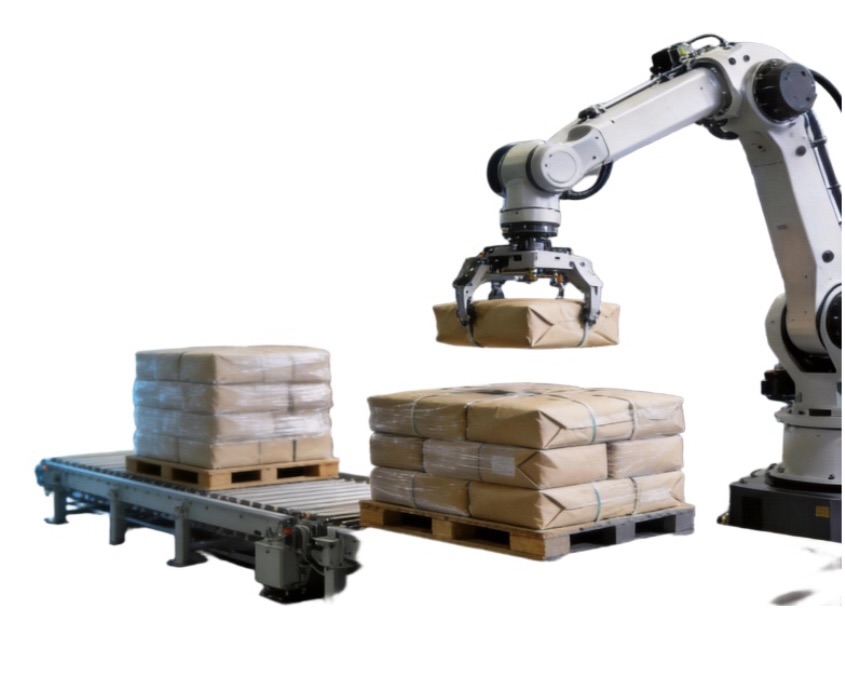
MRDVS provides a 3D vision-guided solution for detecting, locating, and depalletizing bagged materials from pallets. The solution combines 3D sensing, bag detection, grasp pose estimation, and robot task coordination. Supported bag types, working distance, cycle time, and pick performance are evaluated according to the bag specifications, pallet pattern, robot, end effector, and operating environment.

Core Vision Capabilities for Bag Depalletizing

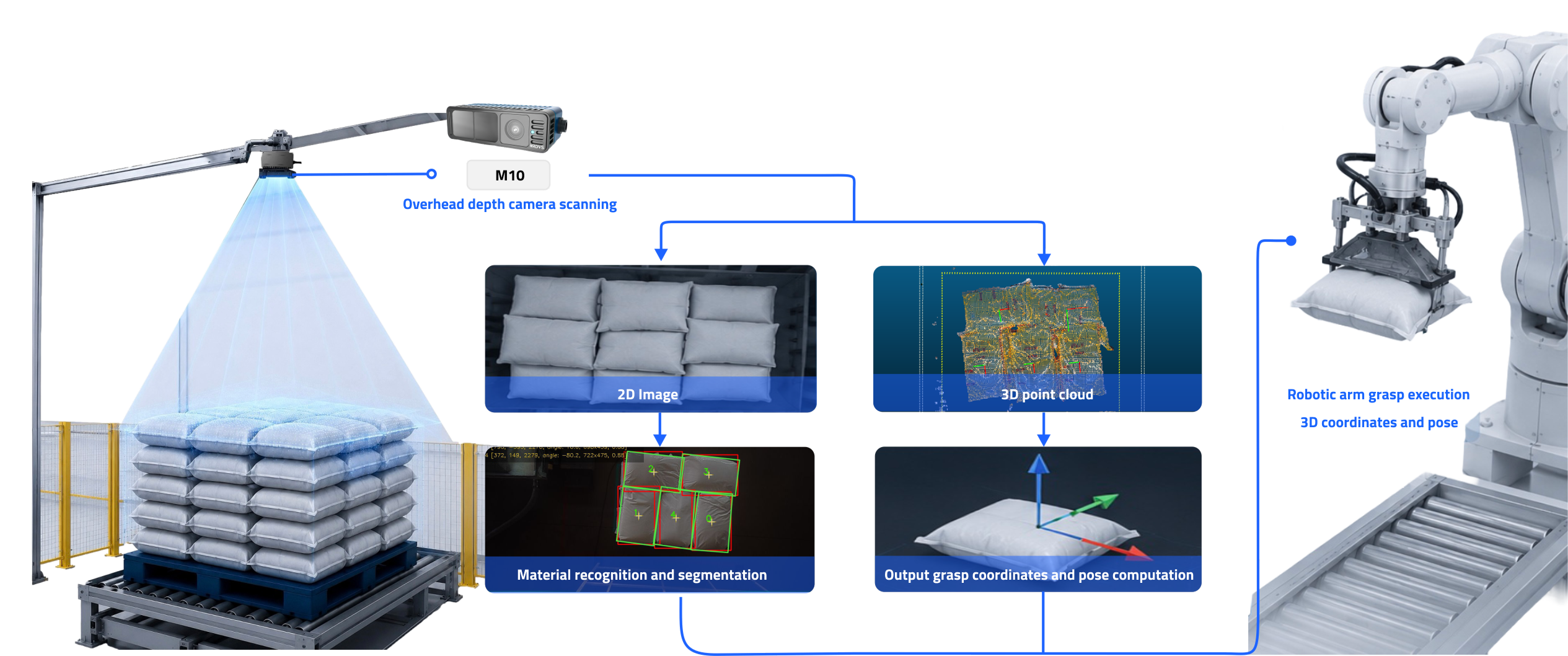
The system captures 3D data from the pallet surface, identifies a pickable bag, calculates the position and orientation required by the robot, and updates the scene after each pick to support continuous depalletizing operations.

01. 3D Scene Capture

Four Core Vision Functions

Captures depth data and 3D point clouds from the pallet surface to analyze bag positions, contours, and stacking conditions.

02. Bag Detection and Segmentation

Identifies individual bags in irregular, tilted, or partially occluded stacks and determines which target can be picked first.

03. Grasp Pose Estimation

Calculates the position, orientation, and coordinate information required for robotic picking based on the bag surface and spatial location.

04. Scene Update and Re-detection

Re-captures the pallet surface after each pick, updates the remaining bag positions, and generates information for the next task cycle.

System Integration and Compatibility

A depalletizing system requires coordinated operation between the 3D sensor, processing unit, perception software, robot, end effector, and line control system. Interfaces, installation methods, and scope responsibilities are defined according to the project configuration.

01. Robot Integration

Four Integration Areas

Defines pose-data transmission and task execution according to the robot brand, model, controller version, and available task interfaces.

02. End-Effector Integration

Evaluates vacuum, clamping, or other end-effector options based on bag material, weight, surface characteristics, and picking direction.

03. PLC and Line Communication

Exchanges task, status, completion, and exception data with the PLC, conveyor system, and upstream or downstream equipment.

04. Calibration and Installation

Completes coordinate calibration and confirms the accessible working range according to the sensor mounting position, robot coordinate system, and available site space.

Supported Bags and Operating Envelope

Bag material, dimensions, weight, surface characteristics, and stacking conditions directly affect vision detection and robotic picking. The final operating envelope should be confirmed using representative bag samples, pallet images, and site conditions.

Bag TypeFlexible Packages,Cartons,Jute Bags
Pallet PatternSupports 2-bag, 3-bag, 5-bag, 6-bag interlocking patterns, and pinwheel pattern and more
Package Status• Minor deformation, adhesion, and underfilling allowed
• Severe deformation or surface strap marks require separate evaluation
Working Distance2.8-3.2m
Lighting Conditions• Keep lights on during system operation
• Prevent direct sunlight in depalletizing area (use curtains near windows)
Pallet Stacking• Place on flat ground; tilt angle ≤3°
• All packages in the same stack must have identical size and packaging

Performance Data and Validation Conditions

Vision Processing Frame Rate
Up to 20 FPS
Localization Accuracy
±10mm
Bag Detection Success Rate
99.9%
Successful Picks / Total Pick Attempts
≥99.5%
Continuous Operation Test
24 Hours

System Architecture

The solution consists of 3D data acquisition, vision processing, perception software, and robot execution modules. The final scope of supply depends on the project agreement and system integration model.

How It Works

The system completes pallet-surface capture, 3D data generation, bag detection, grasp pose calculation, task-data transmission, and scene updating in sequence.

How It Works

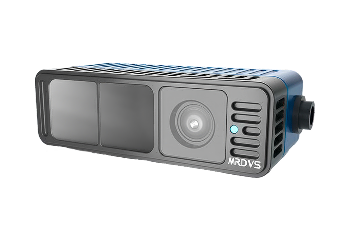
The Role of the M10 in the Bag Depalletizing Solution

The M10 provides depth data, intensity information, and 3D point clouds for the depalletizing system, helping the system obtain pallet geometry and bag positions. The actual mounting distance, coverage area, and system cycle time depend on the sensor configuration, site space, and project requirements.

Depth TechnologydToF
Data OutputsDepth Map, Intensity Map, 3D Point Cloud, I/O
Depth Resolution480 × 320
Frame RateUp to 20 FPS
Field of View90° × 60° (±3°)
InterfacesJST; I/O, Serial, Virtual Ethernet

Application Scenarios

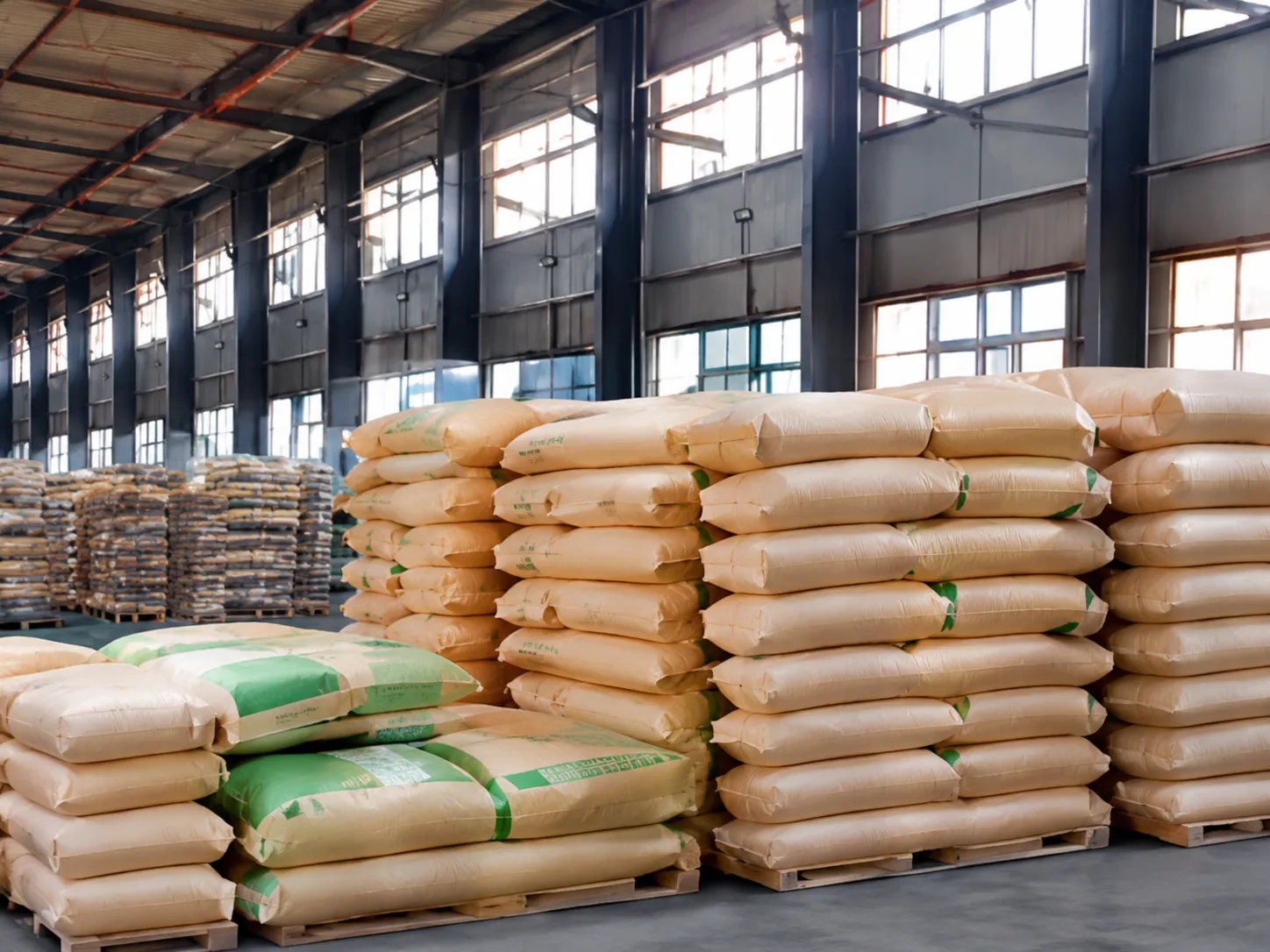
Animal Feed.webp

Animal Feed

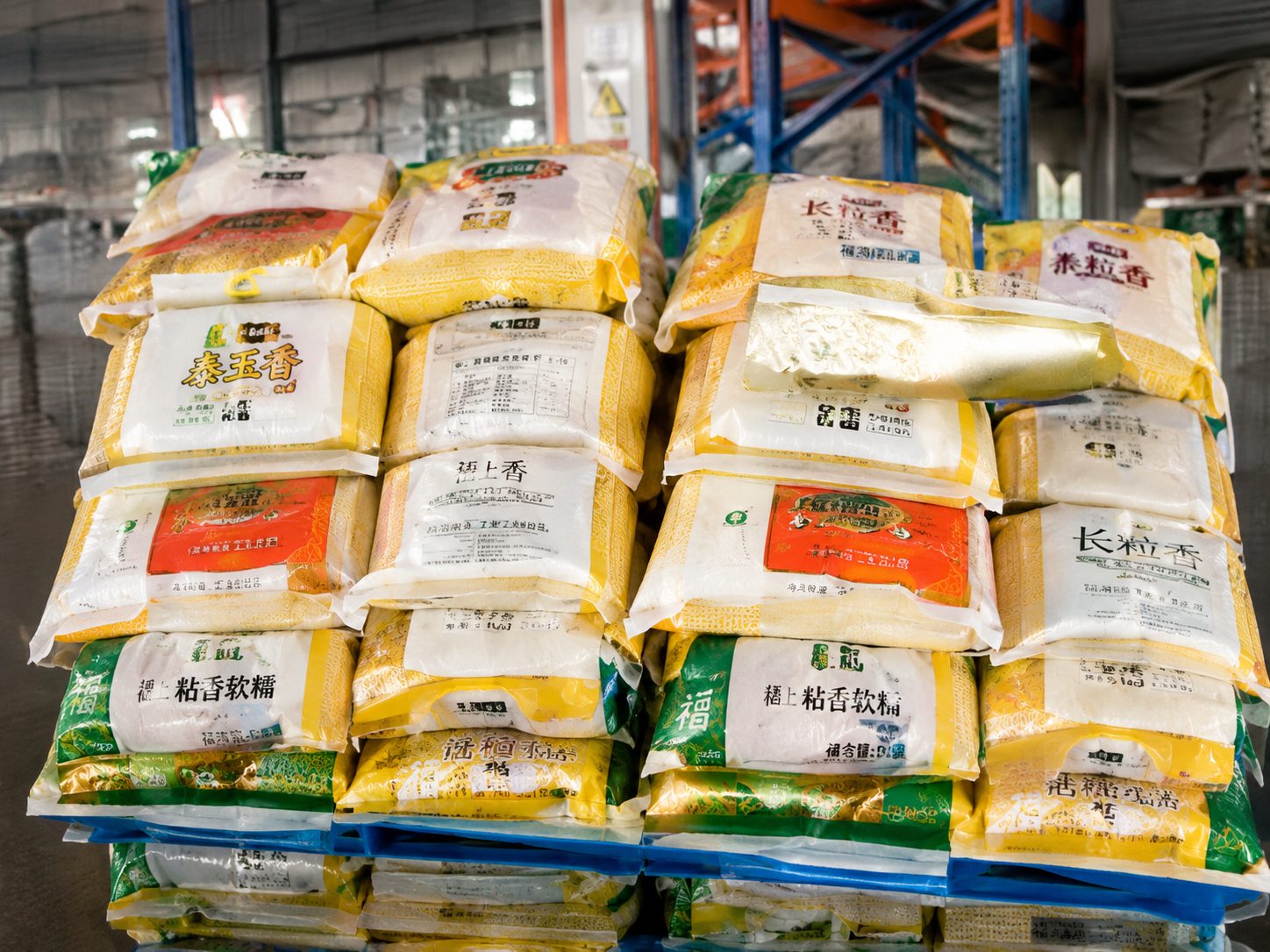
Food and Grain.jpg

Food and Grain

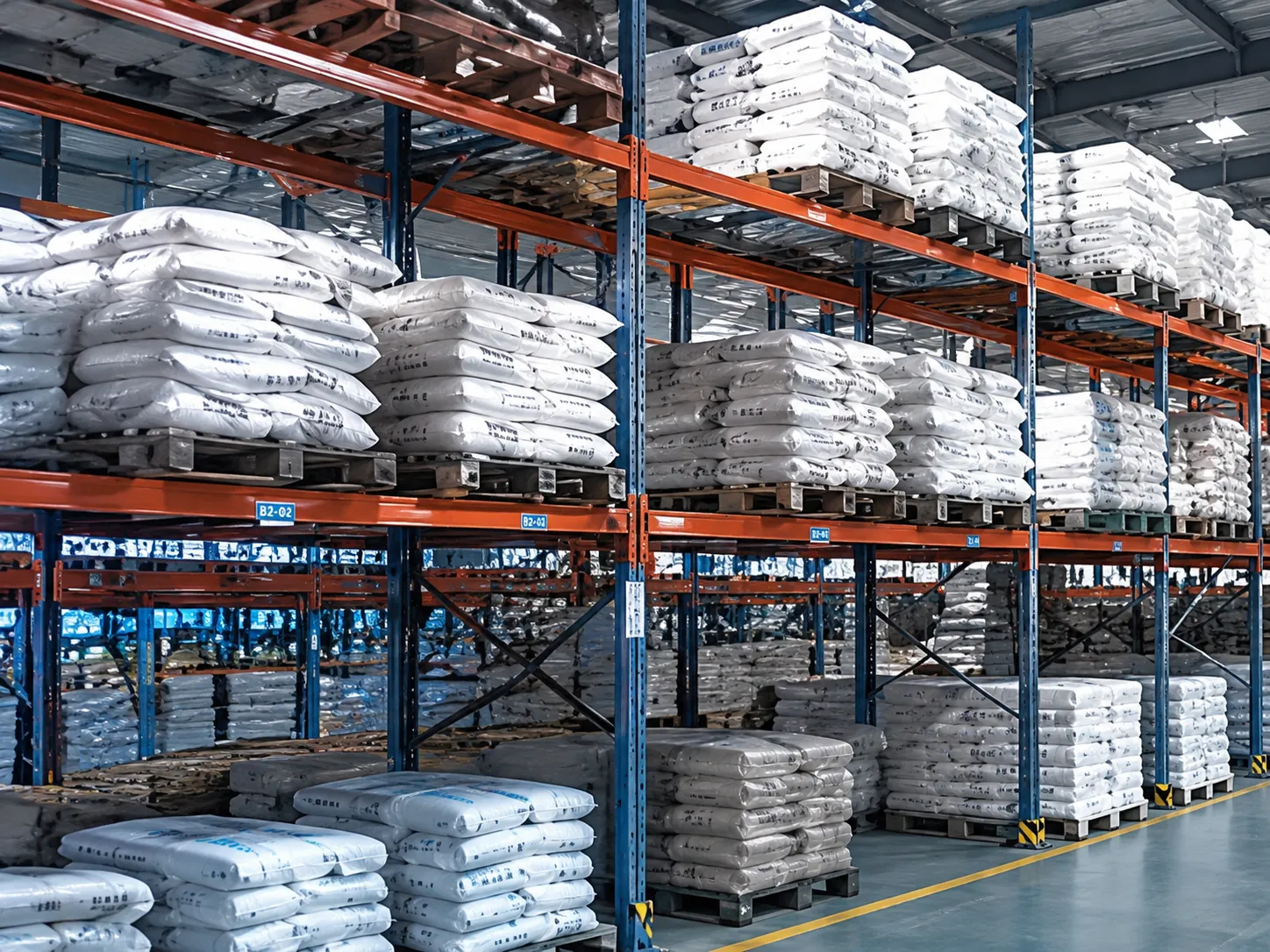
Warehousing and Logistics.webp

Warehousing and Logistics

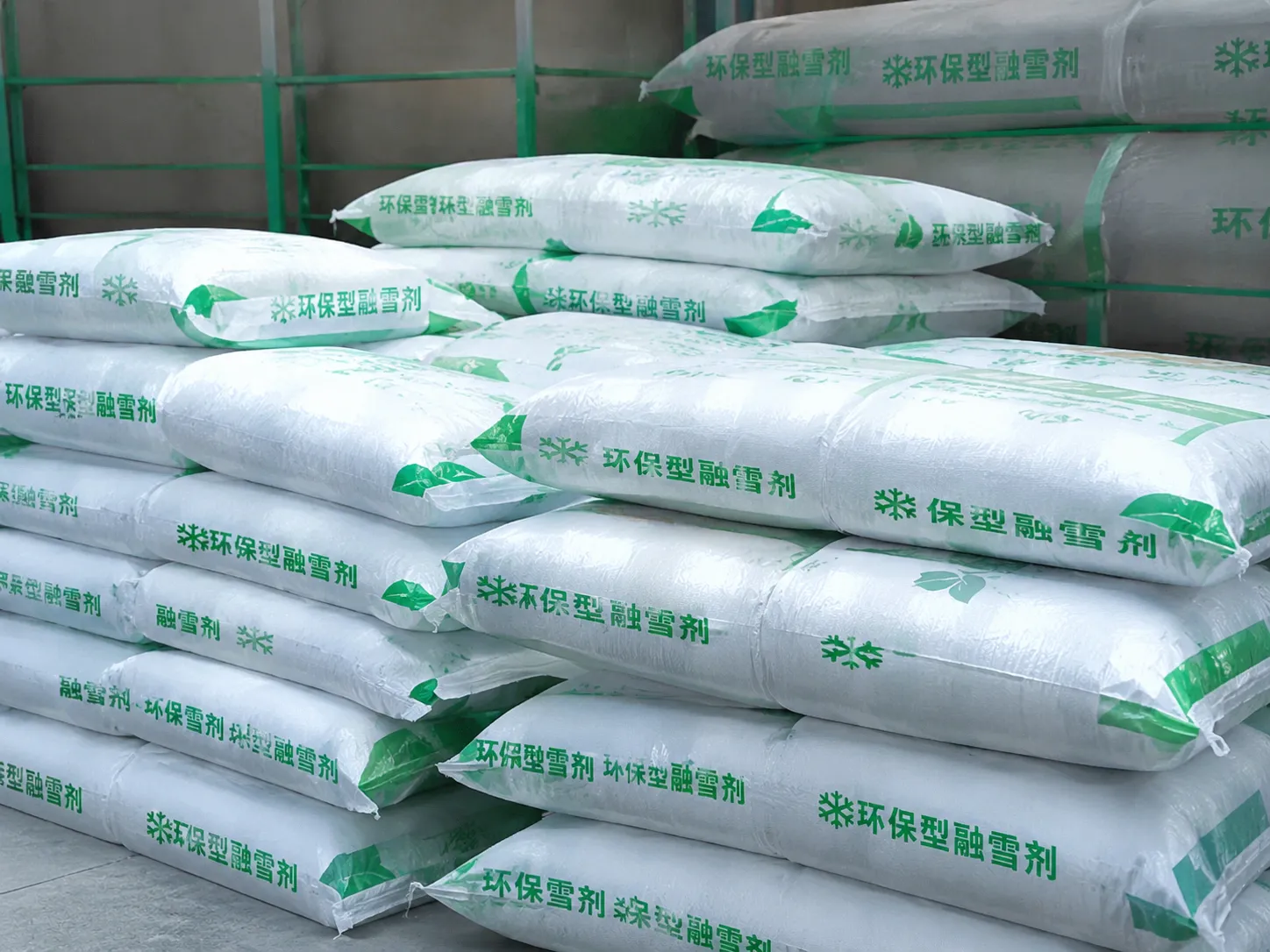
Fertilizers & Chemicals.webp

Fertilizers and Chemicals

FAQ

What is robotic bag depalletizing?

Robotic bag depalletizing uses a vision system to capture pallet data, identify a bag to be picked, and calculate its pick position and pose. The resulting information is sent to the robot for execution. A complete system typically involves a vision sensor, processing unit, robot, end effector, and site control system.


Bag material, dimensions, weight, surface reflectivity, deformation, and pallet pattern can all affect perception and picking performance. The suitability of woven bags, paper bags, multi-layer bags, and other bag types should be evaluated using actual samples and site conditions.

The vision system first captures 3D data from the pallet surface. It then identifies a pickable bag and calculates its pick position and pose. After coordinate transformation and system communication, the information is sent to the robot controller. The robot uses its end effector to complete the pick, after which the pallet data is updated for the next cycle. The exact workflow depends on the project configuration.

Compatibility with robots, controllers, PLCs, communication protocols, and end effectors must be confirmed for each project. An evaluation normally requires the robot model, controller version, communication interface, end-effector type, payload, and available working envelope.

Please provide the bag material, dimensions, weight, and photos, together with images of full, nearly empty, and irregular pallets. The evaluation also requires pallet dimensions, maximum pallet height, target cycle time, robot model, end-effector type, available space, lighting, dust conditions, and upstream and downstream equipment interfaces. Actual bag samples can support further feasibility validation.

Evaluate Your Bag Depalletizing Project

* Required Fields

By submitting this form, you consent to being contacted by MRDVS (a subsidiary of Hangzhou Lanxin Robotics Co., Ltd.) via email or telephone for marketing and business communications. To communicate and conduct business with your organization, we collect and use the contact information you provide above. We undertake to keep this information secure and confidential, and will retain it only for as long as necessary to fulfill these stated purposes.

By clicking Submit, you acknowledge that you have read and understood this privacy notice, and expressly consent to Hangzhou Lanxin Robotics Co., Ltd. and MRDVS collecting and using your personal information for the purposes described herein.