S Series LiDAR-Vision Fusion Sensors for Autonomous Robot Perception
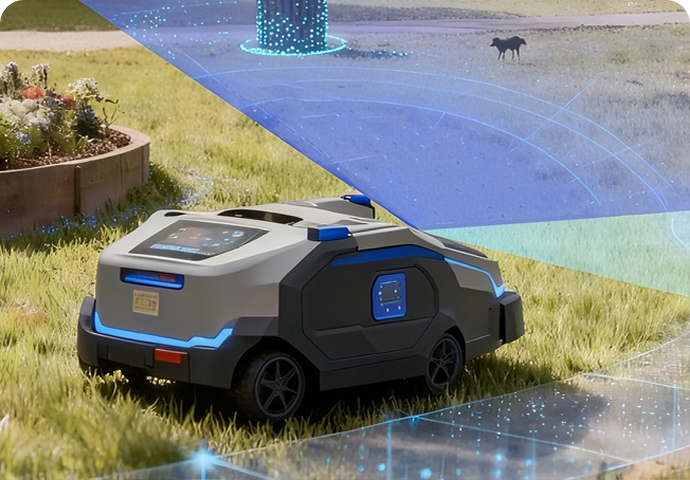
S Series combines LiDAR depth sensing and RGB vision to provide real-time 3D environmental perception for AMRs, quadruped robots, service robots, and autonomous vehicles.
MIPI Interface Available
FOV 120° × 80°
Obstacle Avoidance
Ethernet
Understand the S Series in One Minute
What is the S Series LiDAR-Vision Sensor?
The S Series is a 3D perception sensor that integrates LiDAR ranging and RGB imaging to provide accurate depth information, point clouds, and visual data for autonomous robots.
What Problems Does It Solve?
Detects low-profile, suspended, irregular, and three-dimensional obstacles that may be missed by conventional planar scanning sensors.
Compatible Robot Platforms
The S Series is compatible with multiple robotic platforms including AMRs, quadruped robots, service robots, and autonomous vehicles.
Available Data Outputs
Provides depth maps, point clouds, RGB images, or obstacle-related data depending on the model.
Which Robots Are Compatible with the S Series?
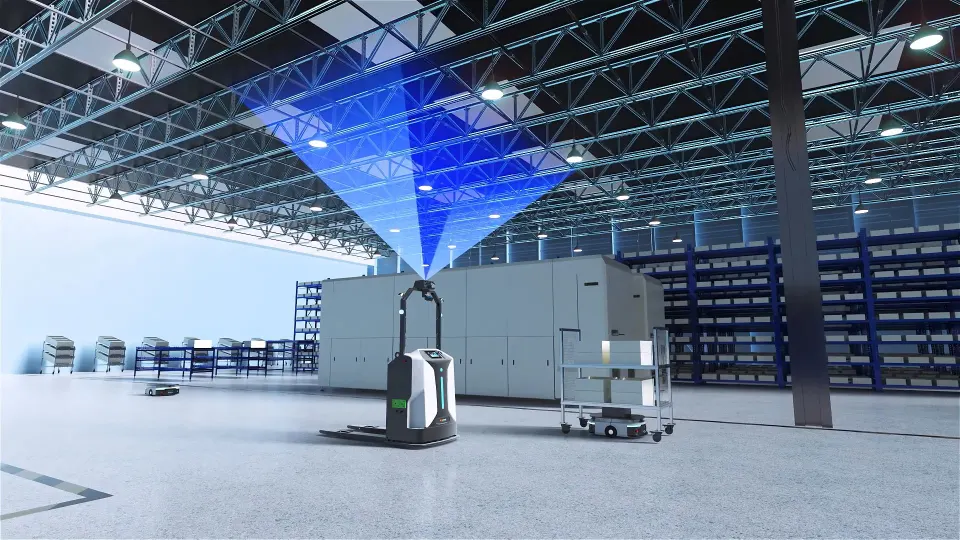
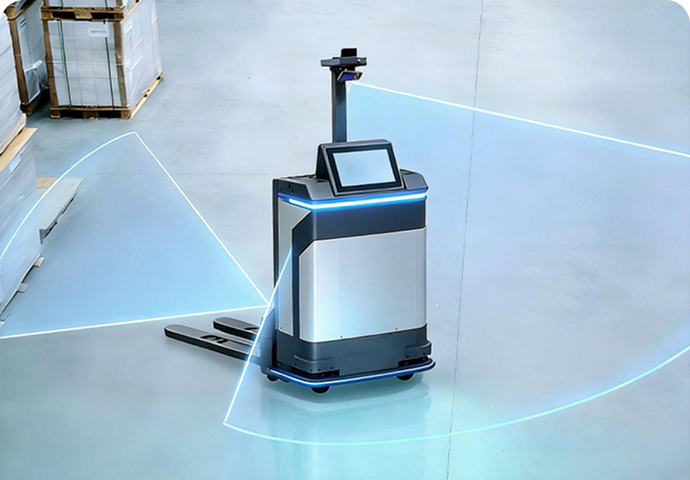
AMRs and AGVs
·Mounted on the front, rear, or sides
·Mounted on the robot’s front, rear, and sides.
·Recommended Models:S10、S10 Pro
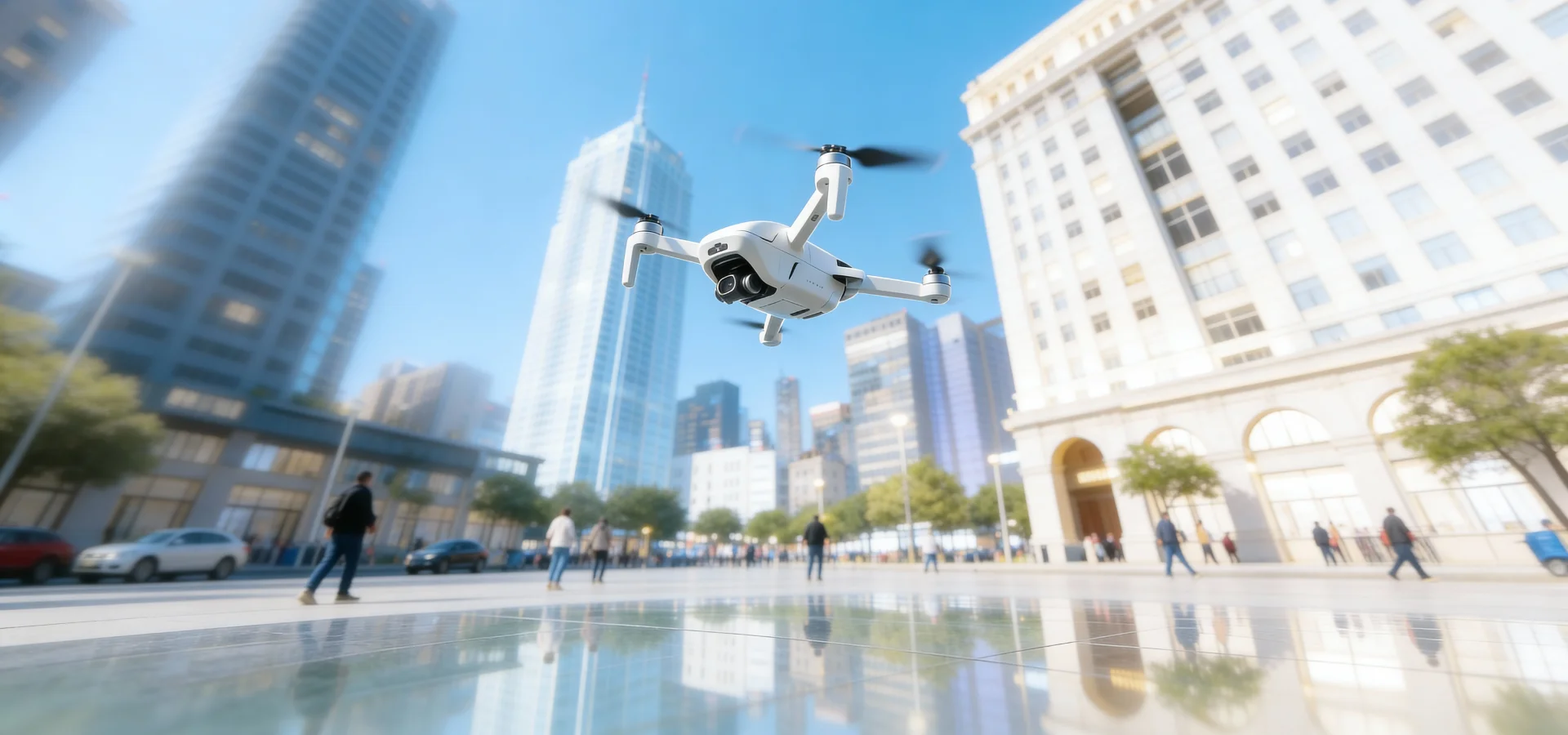
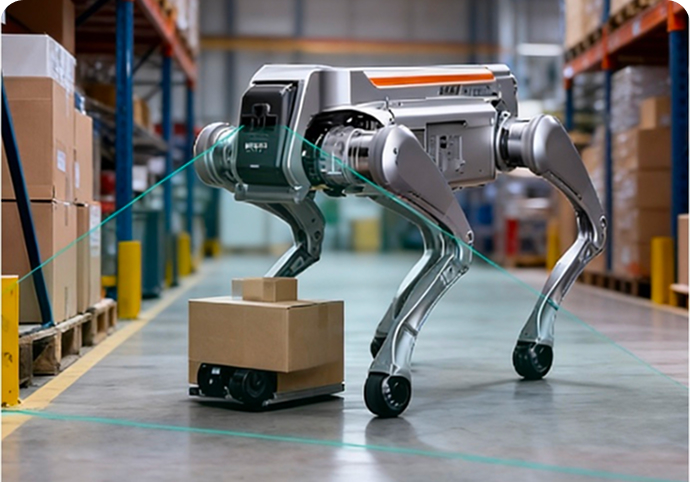
Quadruped Robots
·Detects nearby obstacles and scans the forward environment.
·Analyzes complex ground and surroundings.
·Recommended Models:S10 Ultra Lite
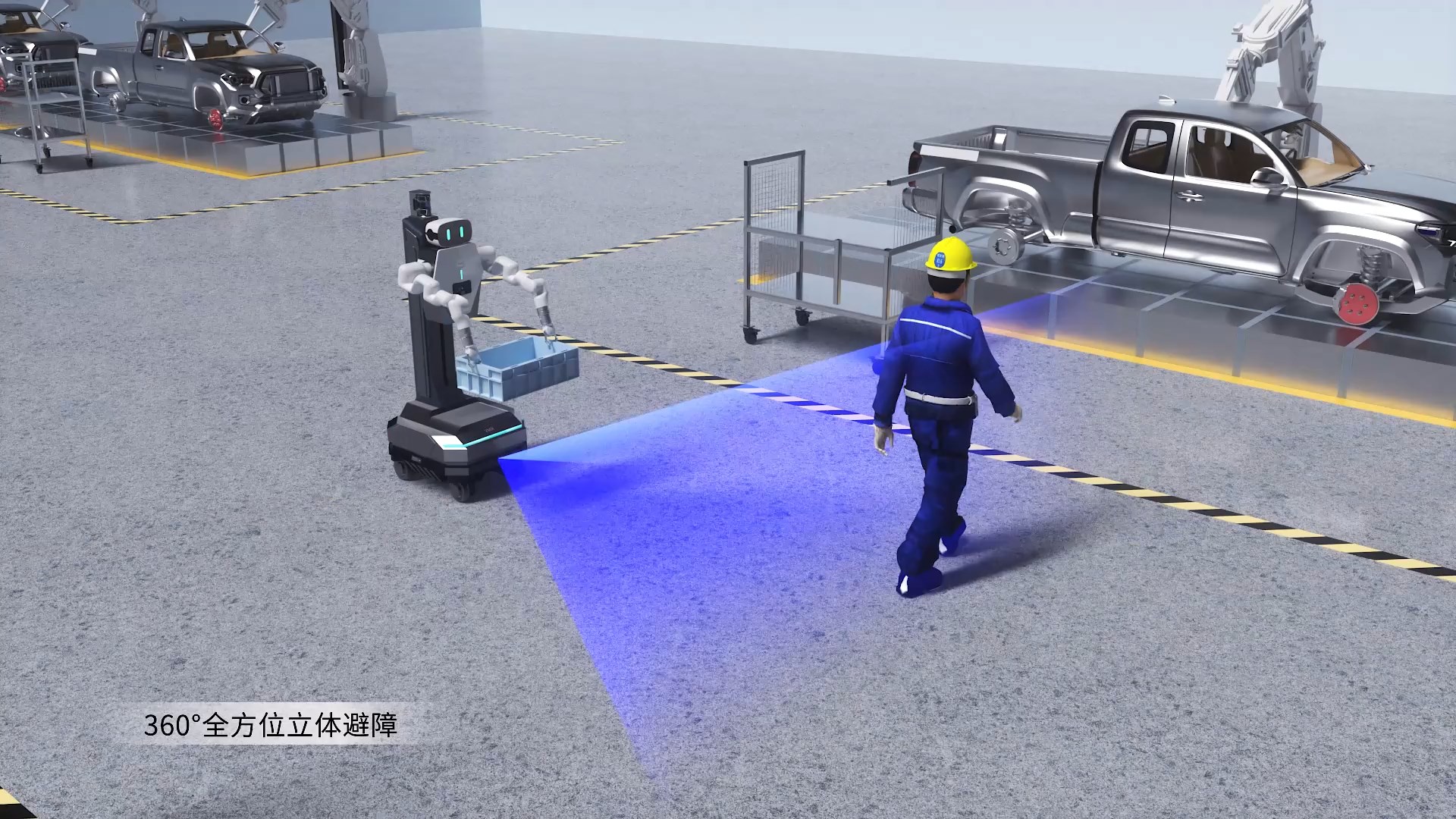
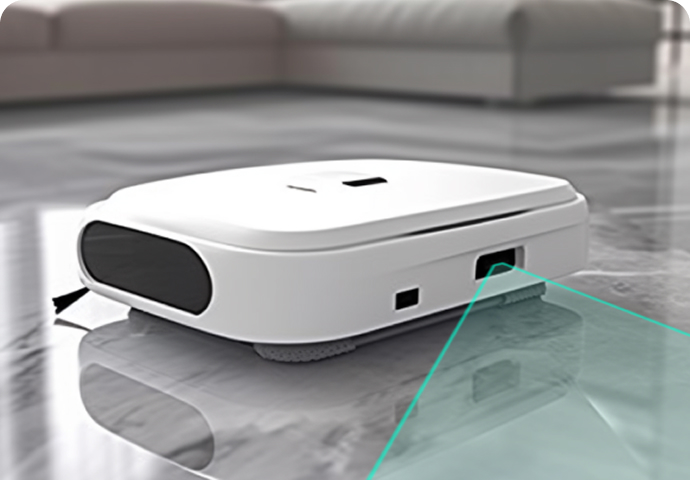
Service Robots
·Senses spatial layouts in furnished rooms and corridors.
·Avoids obstacles and ensures safety around people.
·Recommended Models:S11
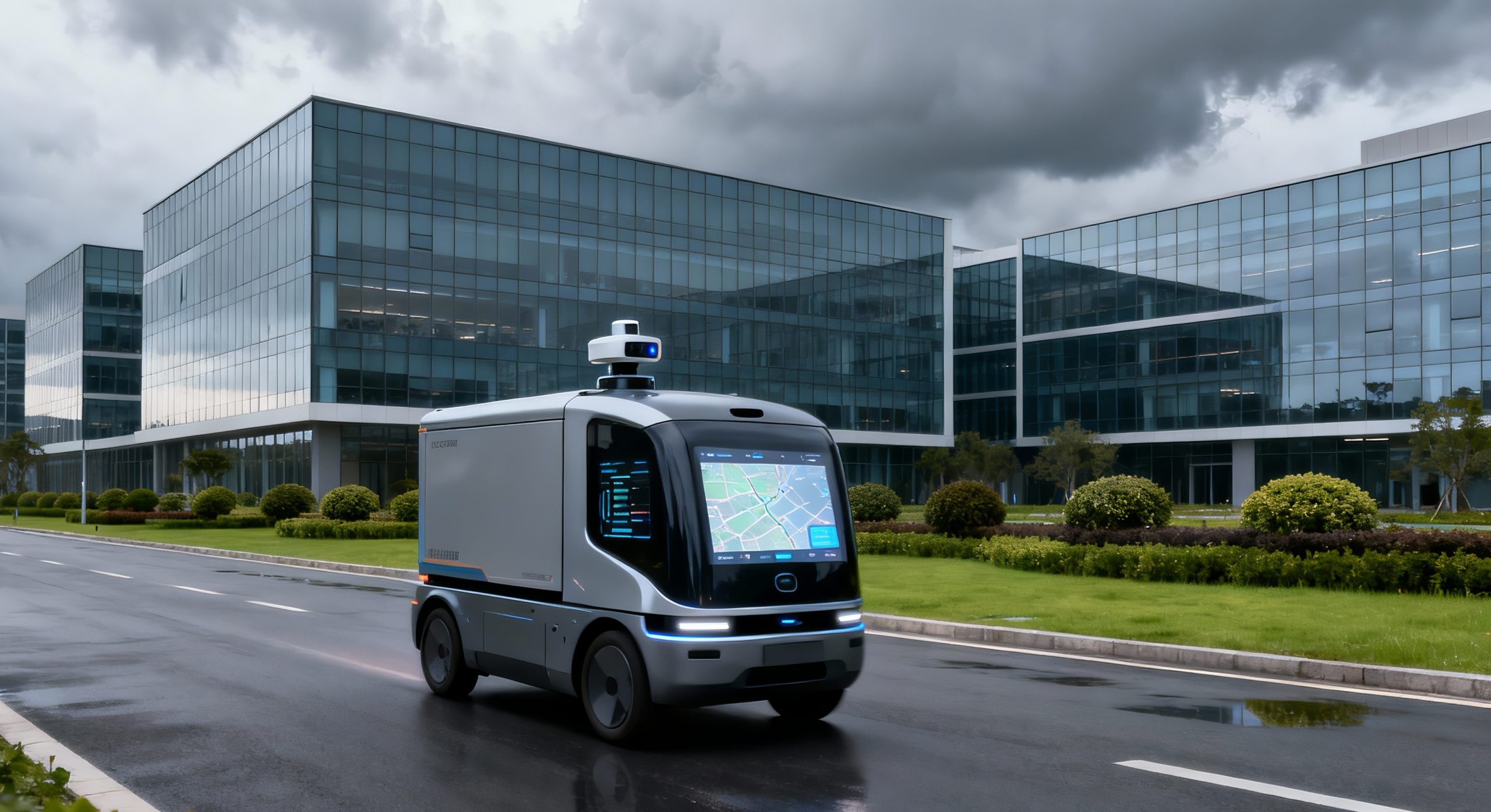
Outdoor Low-Speed Autonomous Machines
·Low-speed autonomous robotics (delivery/inspection/cleaning).
·Evaluated by protection rating, light, and temperature.
·Recommended Models:S10 Pro
S Series Model Comparison and Selection
| Model | Product Positioning | Working Range | FOV | Data Output | IP Rating | Recommended Applications |
|---|---|---|---|---|---|---|
| S10 | Long-Range Dynamic Avoidance | 0.05–8 m (90% Reflectivity) 0.05–5 m (10% Reflectivity) | Depth FOV: 120° × 80° RGB FOV: 120° × 90° | Depth, RGB, and IR intensity maps | IP54 | AMR/AGV, autonomous forklifts, outdoor low-speed vehicles, warehousing & logistics robots |
| S10 Ultra Lite | Long-Range Perception | 0.2–42 m (90% Reflectivity) 0.2–30 m (10% Reflectivity) | Depth FOV: 120° × 80° ± 3° | Depth/Point clouds and IR intensity maps | IP67 | Quadruped robots, robotic mowers, multi-rotor drones, outdoor mobile robots |
| S11 | Short-Range Avoidance, Spatial Sensing & 3D Modeling | 0.1–5 m (118° FOV) 0.1–3 m (140° FOV) (Reflectivity: 10%–90%) | Depth FOV: 136°×56° RGB FOV: 120°×110°±3° | Depth/Point clouds, RGB, and IR intensity maps | IP54 | Cleaning robots, AMR/AGV, service robots, home companion robots |
Key Specifications and Operating Conditions
| Specification | S10 | S10 Ultra-Lite | S11 |
|---|---|---|---|
| Depth Technology | dToF | dToF | dToF |
| Operating Range | 0.05–8 m @ 90% reflectivity; 0.05–5 m @ 10% | 0.2–42 m @ 90% reflectivity; 0.2–30 m @ 10% | 0.1–5 m outdoors @ 10%–90% reflectivity |
| Minimum Detection Distance | 0.05 m | 0.2 m | 0.1 m |
| Depth Resolution | 240 × 160 | 240 × 160 | 240 × 96 |
| RGB Resolution | 1920 × 1080 | - | 1280 × 1080 |
| Frame Rate | Depth/RGB: Max. 20 fps; Typical 15 fps | Depth: Max. 10 fps, Typical 10 fps; RGB: Max. 20 fps, Typical 10 fps | Depth/RGB: Max. 20 fps; Typical 10 fps |
| Field of View | Depth: 120° × 80°; RGB: 120° × 90° | Depth: 120° × 80° ±3°; RGB: 120° × 110° ±3° | Depth: 136° × 56°; RGB: 120° × 110° ±3° |
| Depth Accuracy | ≤3 cm | ≤4 cm | 1 cm |
| Ambient Light Range | Up to 100 kLux | 0–100 kLux | Up to 100 kLux |
| Communication Interface | Ethernet; Custom I/O optional | Ethernet | Ethernet / USB / MIPI |
| Input Voltage | 12–28 V DC | 12–27 V DC | Ethernet: 12–28 V DC; USB: 5 V; |
| Power Consumption | ≤4 W average | <9 W | <4 W average; 13 W peak |
| Dimensions | 80 × 37 × 25 mm | 106 × 69 × 43 mm | 90 × 25 × 25 mm |
| Weight | 190 g | Approx. 440 g | Approx. 130 g(Ethernet)/ 90 g(USB) |
| Operating Temperature | −20°C to 60°C | −20°C to 75°C | −20°C to 60°C |
| Storage Temperature | −40°C to 85°C | −40°C to 85°C | −40°C to 70°C |
| Protection Rating | IP54 | IP67 | IP54 |
| Supported Operating Systems | Windows 7/8/10/11; Linux; Arm Linux/ROS | Windows 7/8/10/11; Linux; Arm Linux/ROS | Windows 7 or later; Linux; Arm Linux/ROS |
| SDK Support | C / C++ / ROS SDK | C / C++ / ROS SDK | C / C++ / ROS SDK |
S Series Application Cases
S Series Technical FAQs
What depth-sensing technology do the S10, S10 Ultra Lite, and S11 use?
All three models use dToF depth-sensing technology. The camera measures the time required for a laser signal to travel to an object and return to the sensor, then calculates the distance between the object and the camera to generate depth maps and 3D point clouds.
What are the main differences between the S10, S10 Ultra Lite, and S11?
The S10 is designed for standard mid-range perception and obstacle avoidance in mobile robots. The S10 Ultra Lite is intended for longer-range indoor and outdoor localization, navigation, and environmental perception. The S11 features a shorter minimum detection distance and a wider depth field of view, making it suitable for close-range obstacle avoidance and wide-area spatial perception.
What types of data can the S Series output?
The S10, S10 Ultra Lite, and RGB-enabled versions of the S11 can output depth maps, point clouds, RGB images, and IR amplitude images. Robots can use this data for obstacle detection, navigation, spatial perception, and environmental mapping.
Output capabilities may vary by interface configuration, so the specific data streams should be confirmed before integration.
Can the S Series be used outdoors?
Actual outdoor ranging performance may be affected by sunlight intensity, target reflectivity, incidence angle, rain, fog, dust, and the condition of the optical window. Testing in the actual operating environment is recommended before deployment.
How should I choose between the S10, S10 Ultra Lite, and S11?
Model selection should be based on detection range, field of view, communication interface, protection rating, depth resolution, and the actual installation environment.
- For standard mobile robot obstacle avoidance, consider the S10.
- For long-range environmental perception, consider the S10 Ultra Lite.
- For close-range, wide-field perception, consider the S11.
S Series Technical Resources
Download Center
Case Studies
Application Notes
Ecosystem Partners
S Series Technical Application Notes
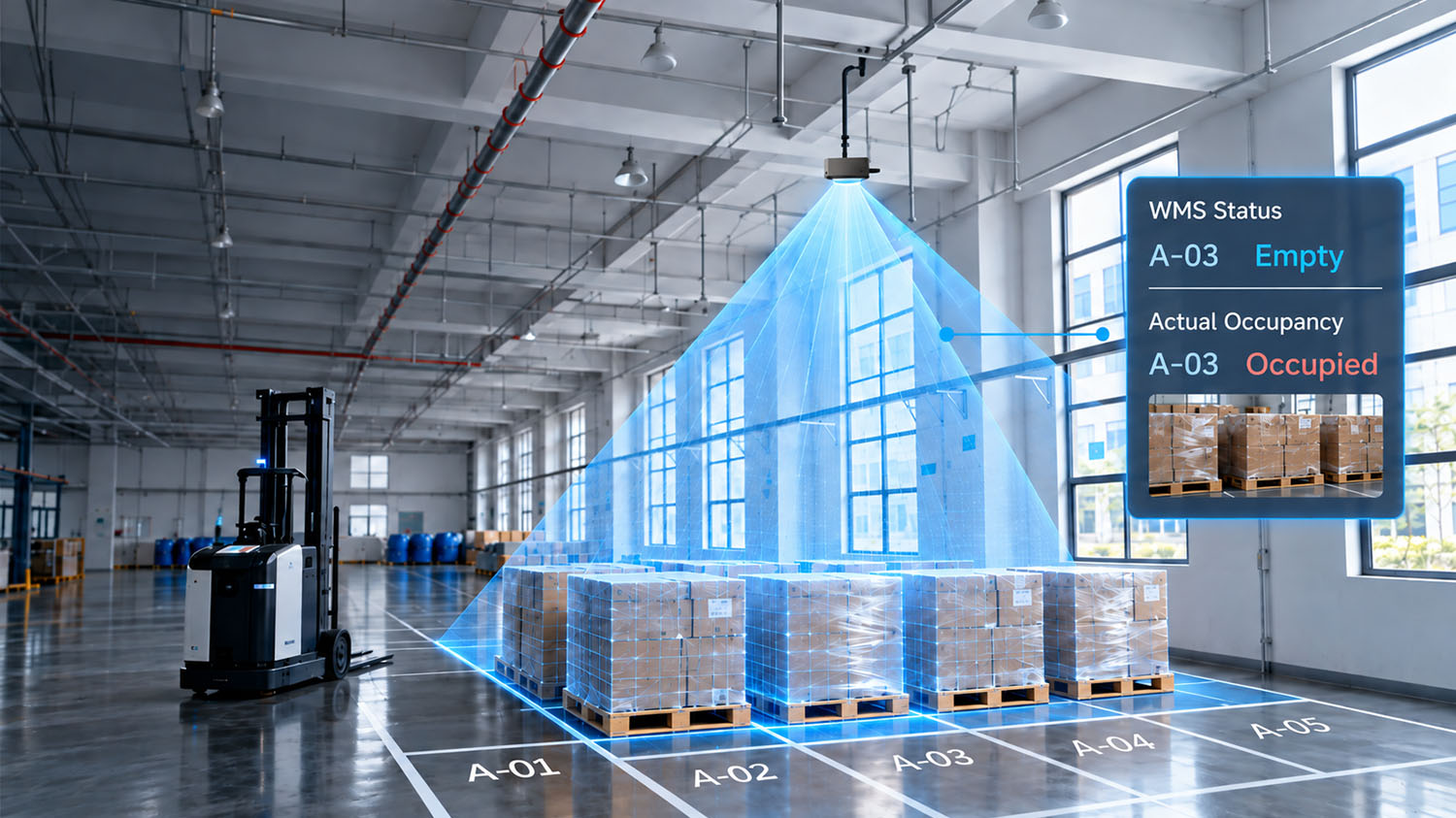
Why Does Your WMS Keep Guessing Slot Occupancy?
Most automated warehouses I've walked into over the past years have a similar recurring failure
-
Six 3D Vision Solutions from MRDVS
July 22, 2026