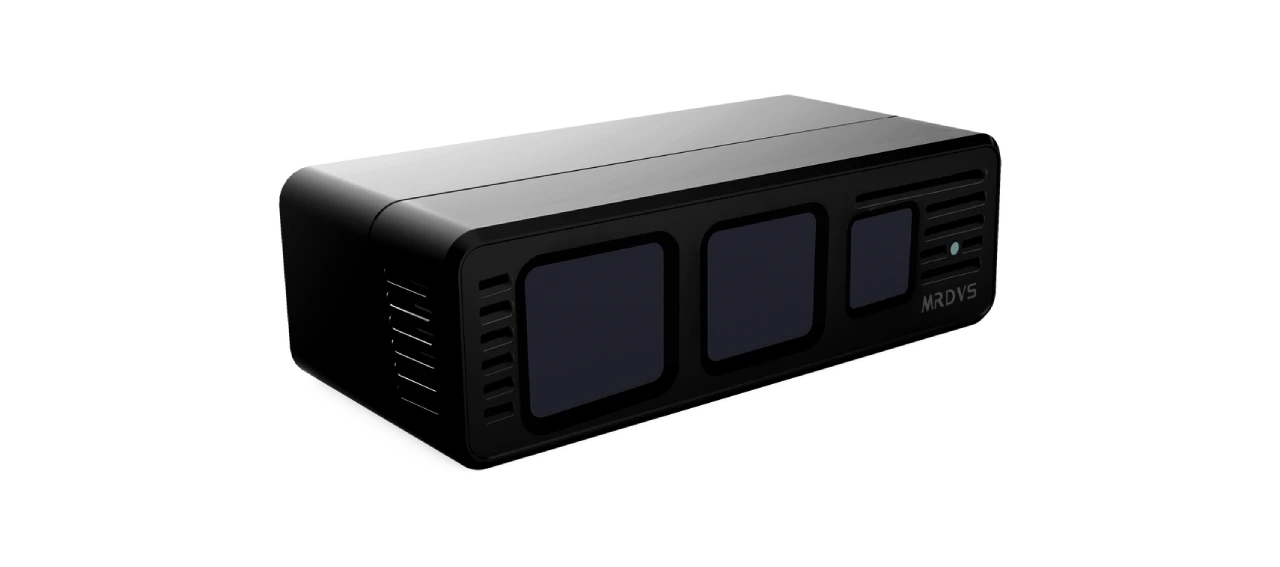
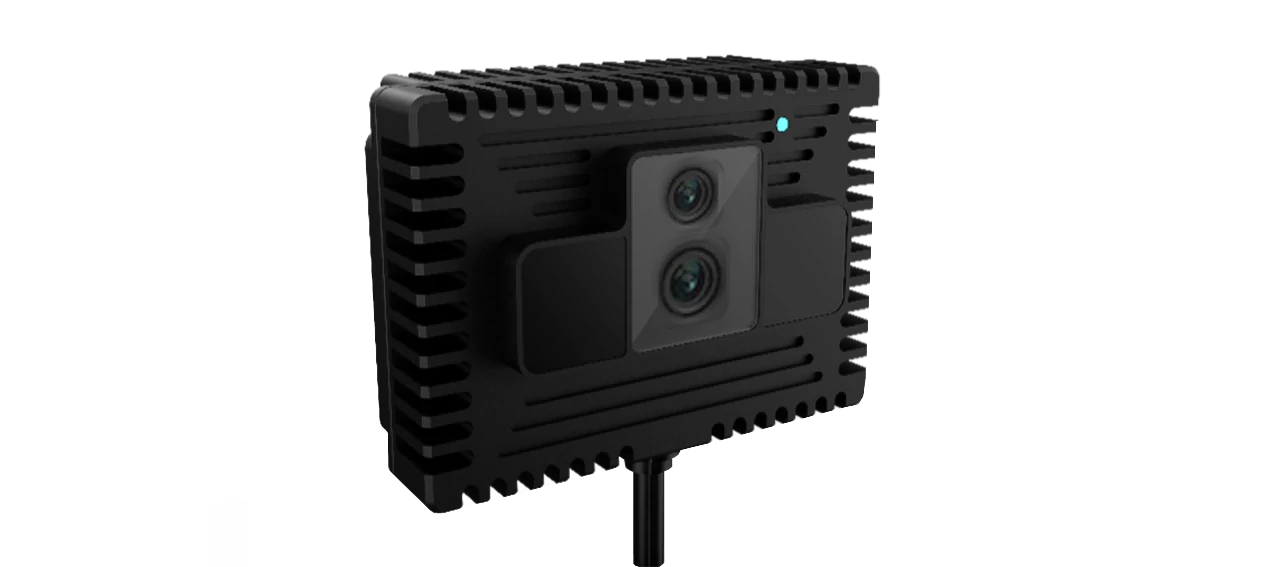
Meet the MRDVS S series – an industrial robot cameras tailored for cost-effective mobile robot obstacle avoidance sensor. It offers a wider field of view and enhanced environmental perception, delivering a robust solution for obstacle avoidance in mobile robot applications.
190g Lightweight Body
FOV 120° × 80°
Obstacle Avoidance
Algorithm Integrated
Ethernet & I/O communication
| Model | S10 Ultra (Pre-order) | S10 |
| Illumination | 940 nm | 940 nm |
| Output | Depth/RGB/IR amplitude maps | Depth/RGB/IR amplitude maps |
| Depth Resolution (H × V) | 240 × 160 px | 240 × 160 px |
| Depth Frame Rate | Max. 10 fps, typically 10 fps | Max. 20 fps, typically 15 fps |
| Depth FoV (H × V) | 120° × 80° | 120° × 80° |
| RGB Resolution (H × V) | 1280 × 1080 px | 1632 × 1224 px |
| RGB Frame Rate | Max. 10 fps, typical 10 fps | Max. 20 fps, typical 15 fps |
| RGB FoV (H × V) | 120° × 80° | 120° × 90° |
| RGB Shutter Type | Rolling Shutter | Rolling Shutter |
| Working Range | 0.2~45m (90% reflectivity) 0.2~30m (10% reflectivity) | 0.3~8m (90% reflectivity) 0.3~3m (10% reflectivity) |
| Accuracy | ≤4 cm | ≤3 cm |
| Power Consumption | <9 W | ≤4 W |
| Dimensions (L × W × H) | 95 mm × 68 mm × 42 mm | 80 mm × 37 mm × 25 mm |
| Weight | 407 g | 190 g |
| Power Supply | 12~27V | 12V~28V |
| Data Communication | Ethernet | Ethernet/GMSL/IO |
| Enclosure Rating | IP67 | IP54 |
| Operating Temperature | -20 °C ~ 75 °C | -20 °C ~ 60 °C |
| Storage Temperature | -40 °C ~ 85 °C | -40 °C ~ 85 °C |
| Programming / SDK | C / C++ / ROS SDK | C / C++ /ROS SDK |
| Operating System | Windows 7/8/10/11, Linux, Arm Linux/ROS | Windows 7/8/10/11, Linux, Arm Linux/ROS |
DToF vs. iToF
dToF directly measures the time interval between the emission and reception of a light pulse, and uses the flight time of light to directly calculate the distance of an object. Light pulses are emitted and received in a very short time (usually nanoseconds), and the time difference of the pulses is measured to obtain the distance.
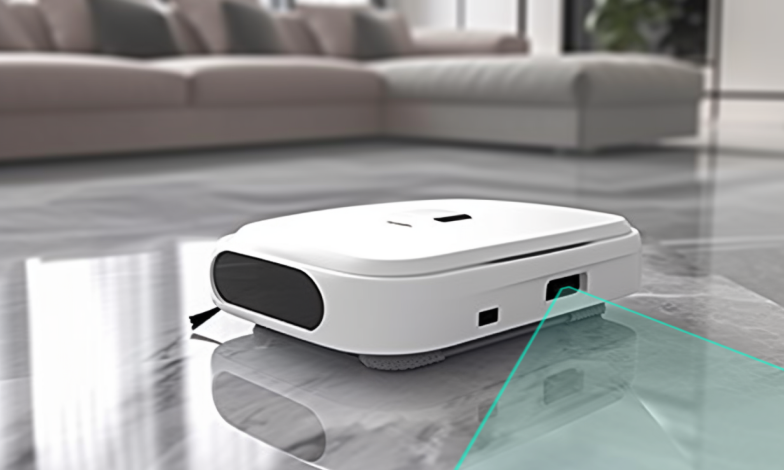
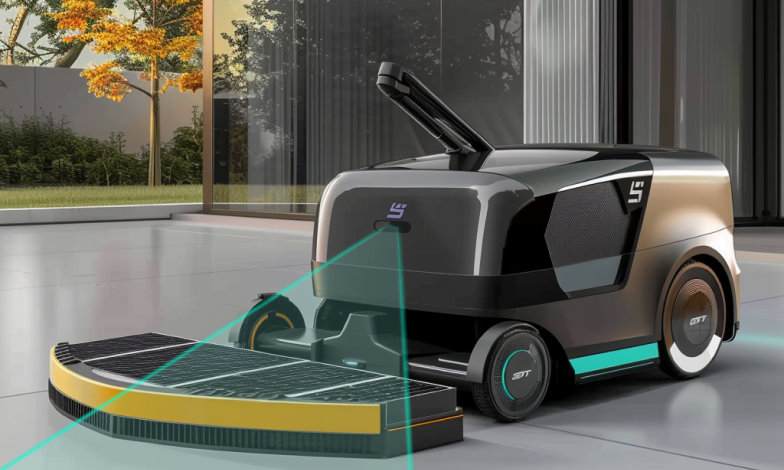
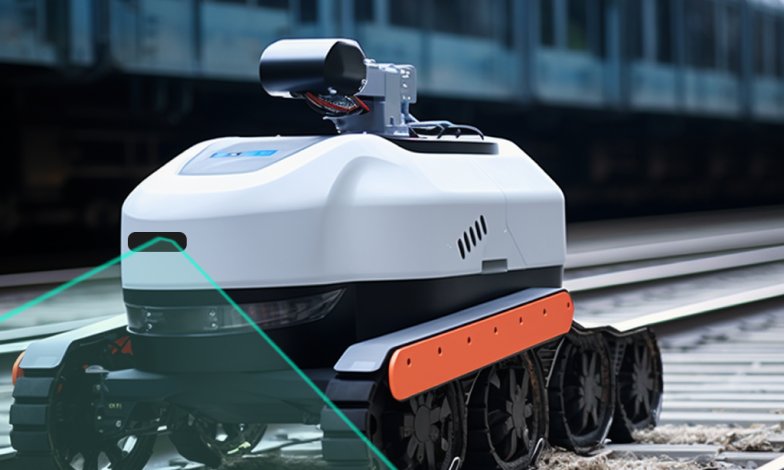
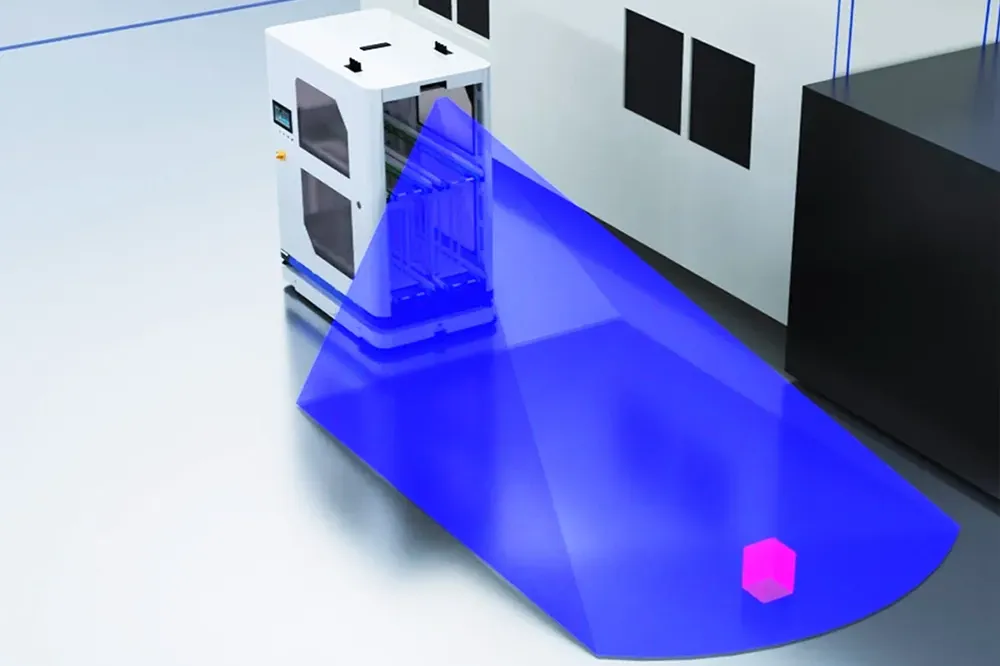
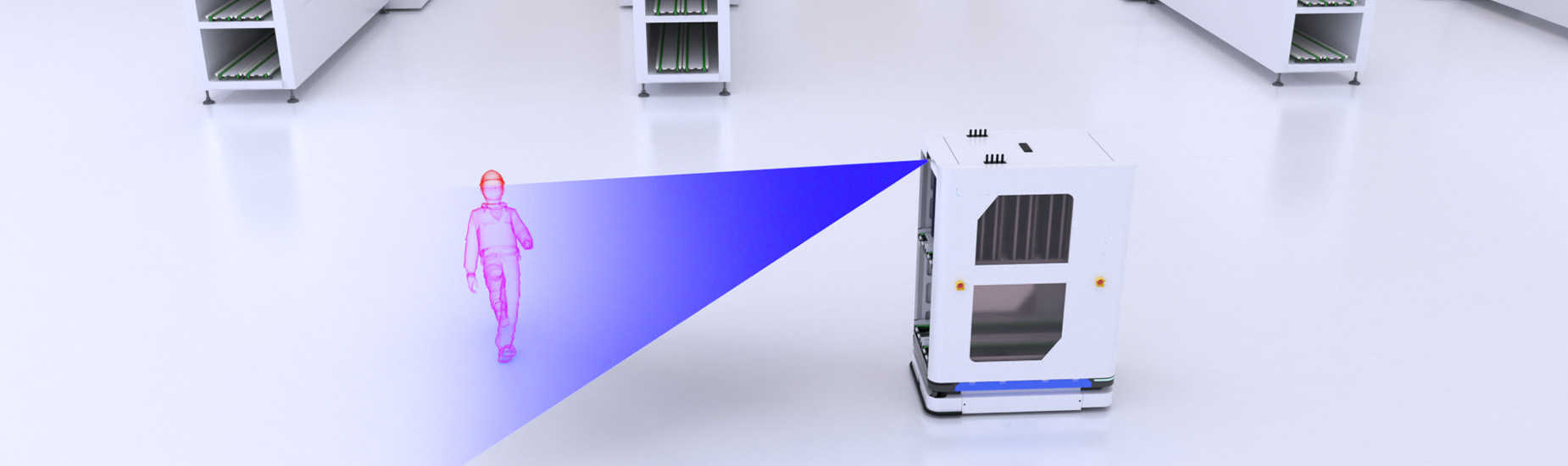
Meticulously developed algorithms for obstacle avoidance in navigation robot applications are designed to seamlessly adapt to various AGV installation points, including on or atop the AGV. These algorithms effectively navigate obstacle detection sensors from elevated positions. Through the fusion of RGB-D camera and depth data, the system enables semantic understanding, allowing for the intelligent identification of specific categories like people or goods. MRDVS’s robust collision avoidance solution is readily available to robotics cam users, and can be tried out in just minutes.
Users have the flexibility to define obstacle avoidance settings for the Autonomous Mobile Robot(AMR), allowing dynamic adjustments in different zones. Dynamic sensing include warning, alarm, and shielding distances, as well as left and right detection zones and height ranges. This user-driven adaptability ensures the AMR’s responsive and efficient obstacle avoidance system during motion.
Through the Ethernet communication interface, depth data, RGB data, and amplitude map data can be transmitted. The S series also facilitates I/O communication for easy obstacle status output using distinct values of 0, 1, 2. (Value 0 indicates normal, no obstacles; Value 1 indicates obstacle detection in the warning zone; Value 2 indicates obstacle detection in the alarm zone.)
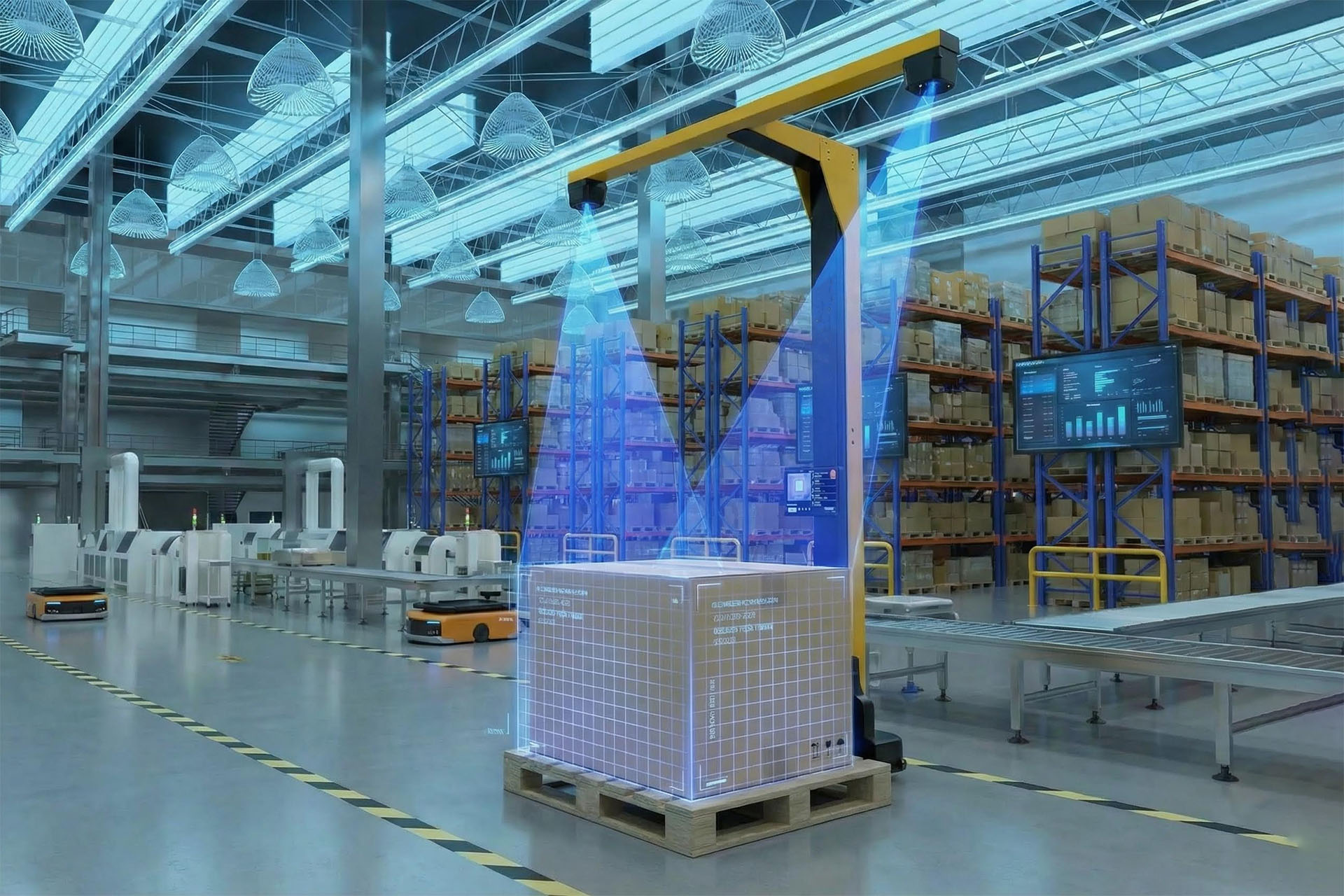
The S series robotic camera system ensures synchronized operation of multiple cameras within the same application, irrespective of their network positions. Multi-camera systems might be essential for capturing expansive objects, entire scenes, or dynamic subjects like AGVs in a warehouse setting.
The S series ToF camera operates effortlessly with 940 nm wavelength illumination, utilizing its emitted light for precise distance measurement outdoors, even under sunlight. Its excellence extends beyond daylight, performing effectively in darkness as well. This is achieved through its active depth camera employing the pulse indirect Time-of-Flight (ToF) principle.
Lorem ipsum dolor sit amet, consectetur adipiscing elit. Ut elit tellus, luctus nec ullamcorper mattis, pulvinar dapibus leo.
LxCamera SDK is a C/C++ software development package. Compatible with Windows, Linux, and ARM-Linux ROS operating systems, LxCamera SDK provides developers with a variety of user-friendly APIs and straightforward example programs.
3D Obstacle Avoidance
MRDVS enhances robot navigation with advanced obstacle avoidance using RGB-D ToF camera S series.
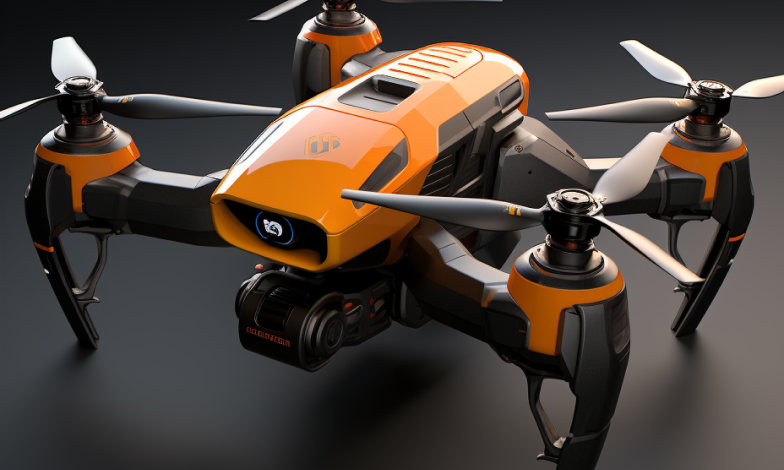
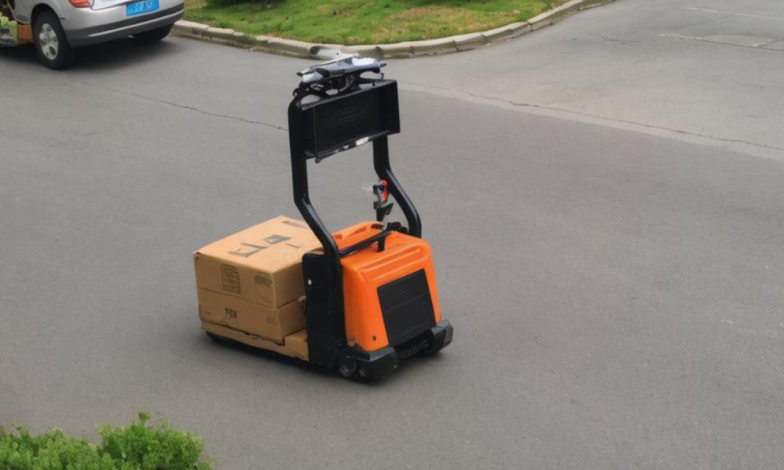
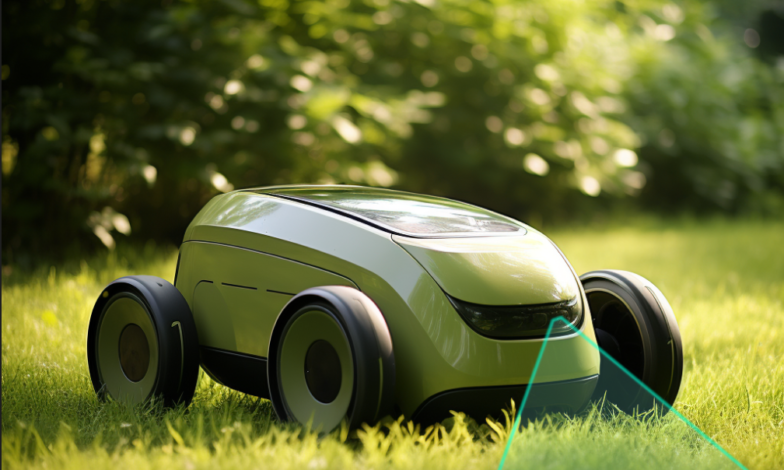
S10 feature a depth resolution of 240 × 160, capturing depth and texture information in real-time to provide stable long-distance perception for low-speed unmanned vehicles, unmanned forklifts, drones, lawn mowers, and other devices.
S10 Ultra is based on d-ToF technology, which can provide high-performance depth data of 0.2m-45m indoors and outdoors. The camera realizes the alignment function of RGB image and depth image in space and time.
We’re here to help! Please use the form below to leave us a message or ask any questions you may have. Our team will get back to you as soon as possible.
Get the latest MRDVS news, product updates, events and more.
©Copyright 2023 Zhejiang MRDVS Technology Co.,Ltd.
浙ICP备2023021387号-1